
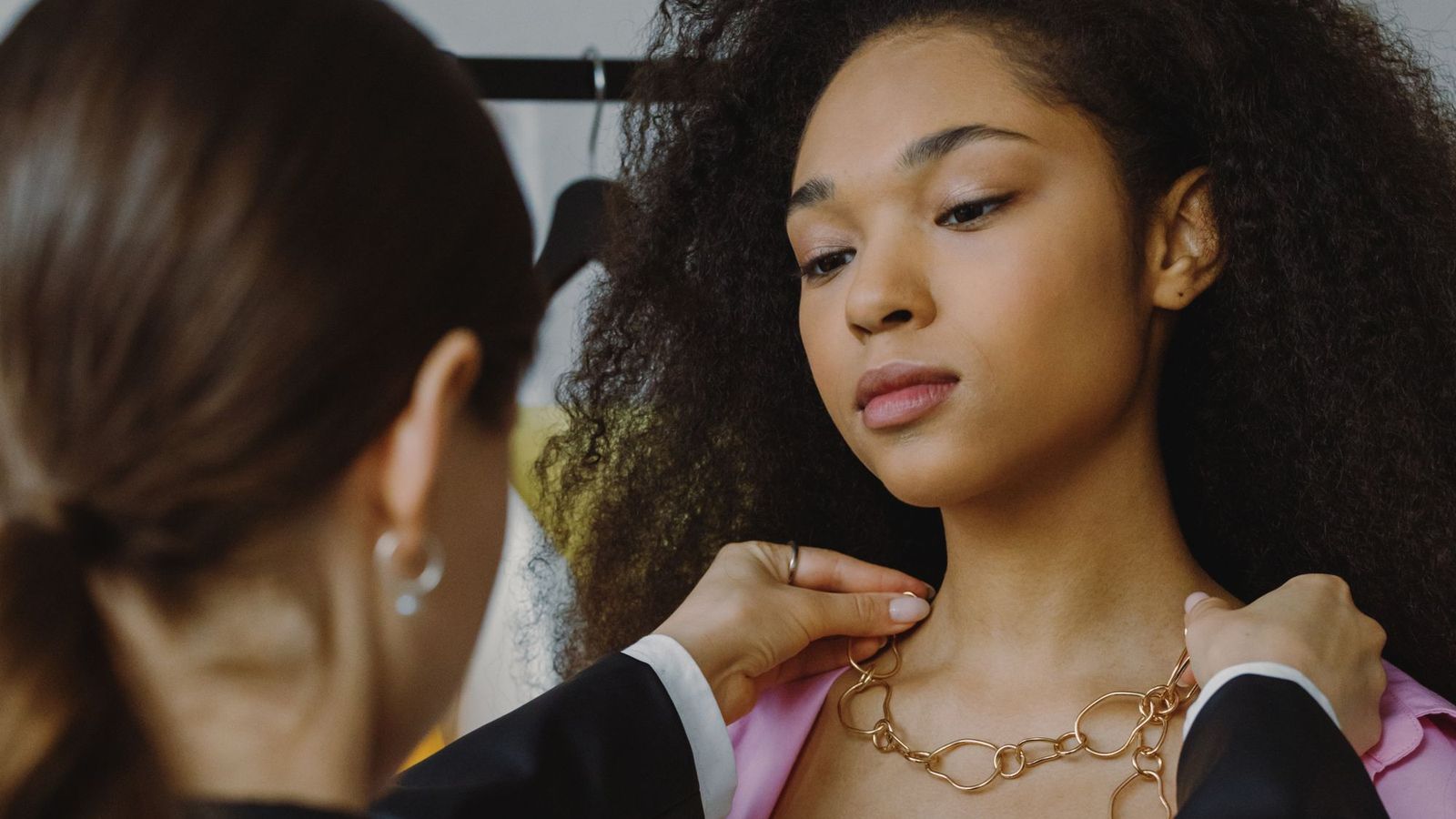
How to Sell Jewellery Like a Pro (Step-by-Step Guide)
Learn how to build trust, understand customer needs, present products effectively, handle objections, and close more jewellery sales using techniques from top-performing sales associates.
- Jewellery and luxury retail employers hire on Mintly
- Reviewed by Mintly Talent Advisory
Selling jewellery is very different from selling most retail products. Customers are not just buying a necklace, ring, or bracelet: they are often purchasing something tied to emotions, celebrations, relationships, achievements, and memories. A customer buying an engagement ring is making an emotional decision. A family purchasing bridal jewellery is investing in a once-in-a-lifetime occasion. A customer shopping for diamonds may be looking for trust, expertise, and reassurance more than discounts. This is why successful jewellery sales professionals focus on building relationships rather than simply pushing products. The best jewellery sales associates understand customer psychology, ask the right questions, recommend suitable products, and create memorable shopping experiences. This guide provides a step-by-step framework used by top-performing jewellery retailers to improve customer experience and increase sales conversions.
Quick Summary
Key takeaways
- Trust comes first: understand the occasion and budget before presenting pieces.
- Present craftsmanship and story, not just price, to justify value.
- Handle objections on price and authenticity with knowledge, not pressure.
- Clear closing techniques and follow-up turn browsers into repeat buyers.
Why Jewellery Sales Is Different
Unlike traditional retail, jewellery sales involves high-value transactions, emotional buying decisions, trust-based selling, long sales cycles, relationship building, and product education. Customers often spend days, weeks, or even months researching before making a purchase. That means your ability to build confidence can directly influence the sale.
How to Sell Jewellery: 10 Steps to Success
Step 1: Build Your Product Knowledge
Before selling jewellery, you must understand the products thoroughly. Learn about gold jewellery (18K, 22K, 24K, hallmarking, making charges), diamond jewellery (the 4Cs: Cut, Color, Clarity, Carat), gemstones (ruby, emerald, sapphire, semi-precious stones), and bridal collections (wedding sets, bridal necklaces, traditional jewellery). Customers trust sales associates who can confidently explain product details.
Step 2: Create a Great First Impression
Customers often decide within seconds whether they trust a salesperson. Focus on grooming (professional appearance, neat attire, good posture), body language (maintain eye contact, smile naturally, avoid crossed arms), and greeting. Instead of "What are you looking for?" try "Welcome. Are you shopping for a special occasion today?" This starts a conversation rather than an interrogation.
Step 3: Understand Customer Needs
The most successful sales associates spend more time listening than talking. Ask discovery questions: occasion-based questions (Is this for a wedding? Is it a gift? Is it for daily wear?), budget questions (What price range are you considering?), and style questions (Do you prefer modern or traditional designs? Are you looking for gold or diamond jewellery?). The more information you gather, the better your recommendations become.
Step 4: Present Products Effectively
Many sales associates make the mistake of showing too many products. Instead, follow the Rule of Three: present one ideal option, one premium option, and one value option. This helps customers compare without becoming overwhelmed. Tell a story: instead of "This ring is 18K gold," say "This design is one of our most popular choices for engagement rings because it combines durability with timeless elegance." Stories create emotional connections.
Step 5: Build Trust During the Conversation
Trust is the foundation of jewellery sales. Explain gold purity, diamond certifications, hallmarking, warranty policies, and return policies. Transparency reduces hesitation. Be honest: if a product does not meet the customer's requirements, say so. Customers remember honesty and often return for future purchases.
Step 6: Master Upselling & Cross-Selling
Top jewellery sales professionals increase average transaction values without pressuring customers. Upselling examples: when a customer wants a basic diamond ring, recommend a higher clarity option, better diamond certification, or premium collection. Cross-selling examples: selling a necklace? Recommend matching earrings, bracelet, or ring. Selling bridal jewellery? Recommend wedding package sets and groom accessories.
Step 7: Handle Customer Objections
Objections are a normal part of jewellery selling. When a customer says "It's expensive," respond: "I understand. Many customers compare options before making a decision. Would you like me to show a few alternatives within your budget?" When they say "I need time to think," respond: "Of course. May I explain what makes this piece unique so you can compare it with confidence?" When they say "I'm looking at other stores," respond: "That's completely understandable. Many customers visit multiple stores before making an important purchase." Never become defensive.
Step 8: Learn the Art of Closing
Many sales associates lose sales because they never ask for the purchase. Use soft closing techniques: Choice Close ("Would you prefer the yellow gold or rose gold version?"), Confirmation Close ("Would you like us to prepare the invoice?"), and Occasion Close ("This piece would be beautiful for the wedding ceremony you described.").
Step 9: Build Long-Term Relationships
The sale does not end after billing. Top performers follow up with customers. Send anniversary wishes, birthday greetings, new collection launch updates, and jewellery care reminders. Repeat customers are often more valuable than new customers.
Step 10: Use CRM to Increase Sales
Modern jewellery retailers rely heavily on CRM systems. Track customer preferences, purchase history, important dates, and follow-up schedules. This helps create personalized experiences that drive repeat business and referrals.
Turn these skills into career momentum
Use Mintly Academy to build practical jewelry skills, then apply them to real roles on Mintly.
Jewellery Sales Checklist
Before Meeting Customers: Ensure professional grooming, update product knowledge, prepare store presentation. During Sales Conversation: Ask discovery questions, understand budget, present suitable options, explain benefits, build trust. Before Closing: Handle objections, explain certifications, discuss warranty, ask for the sale. After Purchase: Collect customer details, update CRM, schedule follow-up, thank the customer.
Common Mistakes to Avoid
- Talking too much: listen more than you speak to understand what customers actually need
- Focusing only on features: customers buy benefits and emotions, not specifications
- Ignoring follow-ups: many jewellery sales happen after multiple interactions across days or weeks
- Not asking for the sale: confidently guide customers toward a decision instead of waiting passively
- Lack of product knowledge: customers quickly lose confidence when information is unclear or incorrect
Pro Tips
- Learn one new product detail every day to continuously build your expertise
- Practice product presentations regularly, even when the store is quiet
- Review customer follow-ups daily and reach out to at least one past customer
- Study sales techniques from books, courses, and top-performing colleagues
- Improve communication skills through active listening exercises and role-play scenarios
How Jewellery Sales Skills Impact Your Career
Mastering jewellery sales techniques opens career paths from sales associate to floor manager, store manager, and regional roles. Strong sellers who combine product knowledge with relationship-building consistently earn higher incentives, receive more referrals, and build personal client books that follow them throughout their career. In luxury retail, top performers often earn 2 to 3x their base salary through commissions and bonuses.
Frequently Asked Questions: Jewellery Sales
Trust-building and communication are the most important skills. Customers buying jewellery are making emotional, high-value decisions and need to feel confident in both the product and the person helping them.
Improve product knowledge, ask better discovery questions, and focus on customer needs rather than pushing products. Understanding the 4Cs, hallmarking, and certification builds credibility that directly improves conversion rates.
Yes. Understanding the 4Cs (Cut, Color, Clarity, Carat) and certifications like GIA and IGI is essential. Customers ask detailed questions, and confident answers build trust and increase the likelihood of closing high-value sales.
Luxury retailers focus heavily on product expertise, clienteling, relationship building, and customer experience. Training programs typically cover brand history, material science, emotional selling, and long-term client management over 2 to 6 weeks.
Clienteling is the process of building long-term relationships with customers through personalized service and follow-ups. It includes tracking purchase history, sending anniversary reminders, and providing curated recommendations based on individual preferences.
Put this guide to work
Use the next step that matches what you came here to do. You can also keep exploring related roles, guides, and hiring actions on Mintly.
Get new guides in your inbox
Practical playbooks for jewellery careers and hiring. No spam, unsubscribe anytime.