
Explore the World of Luxury Brands: Insights
Buying Customized Luxury Leather Goods in Dubai

The Mintly Team
November 05, 2025
Dubai has become a global hotspot for bespoke luxury, and customized leather goods are one of the city’s most sought-after indulgences. Whether you’re commissioning a made-to-measure briefcase, monogrammed travel set, or a unique handbag designed from scratch, Dubai offers outstanding craftsmanship, rare materials, and concierge-level service.
This guide breaks down everything you need to know—from where to shop and what to look for, to pricing, timelines, and care—so you walk away with a piece that feels unmistakably yours.
Why Dubai for Custom Leather?
- Craftsmanship + Innovation: Dubai blends global artisan talent with cutting-edge technology. Laser engraving, precise color-matching, and CNC cutting sit alongside traditional hand-stitching and edge burnishing.
- Materials Access: Exotic leathers (crocodile, ostrich, lizard) and premium hides (full-grain calf, box leather, nubuck) are readily available through reputable ateliers, with certification and ethical sourcing increasingly standard.
- Personalization Culture: From monograms and crests to custom hardware and bespoke sizing, personalization is woven into the luxury retail experience across the city.
Where to Buy Customized Leather in Dubai
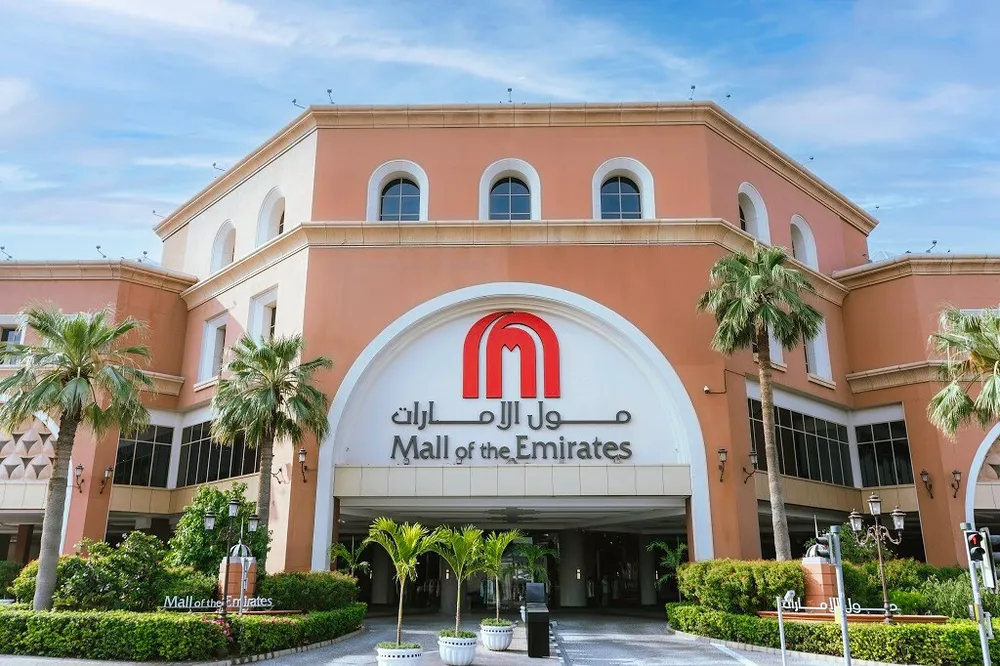
- Luxury Malls: The Dubai Mall and Mall of the Emirates host flagship boutiques that provide in-store customization—initials on small leather goods, choice of colors, sometimes limited made-to-order options for larger items. Brands may offer trunk-show days with artisans visiting for special orders.
- Boutique Ateliers: Independent workshops in Jumeirah, DIFC, and Al Quoz often deliver deeper customization—bespoke designs, custom patterns, exotic materials, and unique hardware. Many provide private consultations and CAD renderings.
- Souks and Specialty Shops: For more traditional craftsmanship, some leather specialists in old Dubai areas offer hand-stitched items with a personal touch, though the level of luxury varies widely. It’s important to verify material quality and finishing standards.
How the Custom Process Typically Works
- Consultation and Design
- Discuss use-case (daily office, travel, evening), capacity needs, weight preference, and style.
- Choose leather type (full-grain calf for structure and durability; goat for lightness; ostrich for texture; crocodile for statement pieces).
- Decide on structure: soft vs. rigid, gusset depth, pocket layout, strap length.
- Select colors, thread, edge paint, lining, hardware finish (gold, palladium, ruthenium), and any logos or monograms.
- Expect sketches or digital mockups; high-end ateliers offer 3D renderings for clarity.
- Material Selection and Sourcing
- Premium calf from European tanneries, often vegetable-tanned for rich patina.
- Exotic leathers supplied with CITES certificates for international compliance.
- Ask for swatches to assess texture, color consistency, and grain.
- Pattern Making and Prototyping
- For complex designs, a paper or leather prototype may be produced to validate dimensions, handle drop, and interior compartments.
- Adjust fit points (strap length, pocket width) before final production.
- Crafting and Finishing
- Cutting, skiving, and stitching done by hand or with precision machines.
- Edges painted and burnished; hardware fitted; lining installed.
- Quality control checks: stitch density, edge uniformity, zipper smoothness, symmetry.
- Delivery and Aftercare
- Final inspection and walk-through: store items in dust bags, learn cleaning and conditioning steps.
- Many ateliers offer maintenance services (edge touch-ups, reconditioning, hardware polishing).
Lead Times and Pricing
- Lead Times: Small leather goods (card holders, wallets): 1–3 weeks. Bags and briefcases: 4–8 weeks. Exotic leather pieces or complex designs: up to 10–12 weeks.
- Pricing Ranges (indicative, vary by brand and material):
- Small leather goods: AED 800–3,500 (calf); AED 3,500–8,000 (exotics).
- Handbags/totes/briefcases: AED 5,000–25,000 (calf); AED 25,000–100,000+ (exotics).
- Factors Affecting Price: Leather type, hardware quality (solid brass vs. plated), hand-stitching vs. machine stitch, rare colors, custom molds for hardware, and brand prestige.
Choosing the Right Leather
- Full-Grain Calf: Durable, ages beautifully, holds structure. Ideal for daily bags and briefcases.
- Box Leather: Smooth, elegant, prone to micro-scratches but polishes well. Classic for formal bags.
- Nubuck/Suede: Luxurious feel, requires more care; best for occasional use or protected environments.
- Ostrich: Distinctive quill pattern, supple and resilient; a refined statement.
- Crocodile/Alligator: High prestige, firm structure, superior sheen; consider matte vs. gloss finishes.
- Goatskin: Lightweight, abrasion-resistant, good for travel accessories.
Customization Ideas That Make a Difference
- Monogramming: Hot-stamped initials (tonal or metallic), blind emboss for subtlety.
- Contrast Stitching: Ecru on navy, burgundy on tan—adds character without being loud.
- Edge Paint Color: Coordinated or contrasting; polished edges signal high craftsmanship.
- Interior Layout: Card slots, zipped pockets, pen loops, padded laptop sleeves tailored to your devices.
- Hardware Choices: Custom buckle shapes, engraved clasps, matte vs. polished finishes.
- Strap Ergonomics: Adjustable drop lengths, padded shoulder straps, removable crossbody options.
- Personal Logos or Crests: Discreet debossing inside rather than front-facing to maintain elegance.
Quality Checks Before You Commit
- Stitching: Even spacing, consistent tension, no skipped stitches or loose ends.
- Edges: Smooth, even paint layers, properly burnished corners.
- Symmetry: Handles aligned, gussets matching, no warping.
- Hardware: Fasteners secure, zippers glide smoothly, no plating blemishes.
- Leather Surface: Uniform color without excessive veining or wrinkles (unless chosen as a feature).
- Lining: Clean installation, no puckering, appropriate material for intended use (suede, microfiber, canvas).
- Ergonomics: Weight balance, comfortable grip, stand test (bag holds shape when placed down).
Legal and Ethical Considerations (Important for Exotics)
- CITES Documentation: Required for crocodile, lizard, and certain exotic skins, especially if you plan to travel or ship internationally. Ensure the atelier provides proper paperwork.
- Ethical Sourcing: Ask for tannery certifications and sourcing transparency. Many Dubai workshops partner with reputable European tanneries.
- Import/Export Rules: Check destination requirements if you’re taking the piece abroad. Some countries have strict controls for exotic leathers.
Tailoring to Dubai’s Climate and Lifestyle
- Heat and Humidity: Opt for leathers with stable finishes. Keep items away from direct sunlight for prolonged periods; use silica gel packs in storage.
- Desert Dust: Smooth leathers wipe clean more easily; consider darker tones for daily use.
- Travel Hub Needs: If you fly often, design with TSA-friendly compartments, secure zips, and a trolley sleeve for carry-ons.
- Event Culture: Formal clutches or structured evening bags in box leather or satin-lined interior work well for gala-heavy schedules.
Care and Maintenance
- Conditioning: Use a pH-balanced leather conditioner every 6–12 months for smooth calf. Avoid over-conditioning; it can loosen structure.
- Cleaning: Wipe with a soft, slightly damp cloth; never use harsh cleaners. For suede, use a dedicated brush and protective spray.
- Storage: Stuff bags with acid-free tissue, store upright in dust bags, avoid stacking heavy items on top.
- Repairs: Schedule annual check-ups for edge paint refresh and hardware tightening. Many ateliers offer lifetime maintenance for their pieces.
Working with the Atelier: Tips for a Smooth Experience
- Bring Your Daily Essentials: Laptop, notebook, chargers—test fit during the design phase.
- Visual References: Photos of styles you like, color palettes, and any logos help the artisan translate your taste.
- Clarify Priorities: Comfort and weight vs. structure and aesthetics; be explicit so trade-offs are made correctly.
- Approve Samples: Sign off on leather swatches, thread, and hardware before production.
- Payment Terms: Expect a deposit (30–50%) at order, balance on delivery. Review warranty and aftercare.
- Communication: Request progress updates, especially for complex commissions. Good ateliers share build photos.
Common Pitfalls to Avoid
- Over-complication: Too many pockets or features can add weight and reduce usability.
- Trend-Driven Colors: Choose hues that fit your wardrobe long-term. Neutrals or deep tones age better.
- Ignoring Documentation: If using exotics, secure CITES papers upfront to avoid travel headaches.
- Neglecting Ergonomics: Test handle thickness and strap drop; comfort is key for daily wear.
- Skipping Aftercare: Proper conditioning and storage dramatically extend life and appearance.
What to Buy: Ideas by Use-Case
- Professional: A full-grain calf briefcase with custom compartments, padded laptop sleeve, and personalized initials inside the flap.
- Travel: A lightweight goatskin carry-on duffel with trolley sleeve, lockable zips, and color-coded interior pockets.
- Evening: A box leather clutch with subtle blind-emboss monogram and custom clasp, sized to your phone and essentials.
- Everyday: A structured tote in calf or ostrich with reinforced handles and removable crossbody strap; interior organization tailored to your routine.
- Gifting: Monogrammed small leather goods—a card holder, passport cover, or watch roll—delivered in custom packaging.
Budgeting Smartly
- Allocate for Aftercare: Factor in annual conditioning and occasional touch-ups.
- Prioritize Leather and Build: If you must choose, invest in top-quality leather and craftsmanship over exotic hardware.
- Consider Future Proofing: Neutral colors, classic shapes, and modular interiors will stay relevant longer.
Final Thoughts
A customized leather piece in Dubai is more than an accessory—it’s a collaboration. The city’s ateliers and luxury boutiques make personalization seamless, from concept to completion. Start with clear goals, choose materials thoughtfully, and partner with a workshop that values transparent sourcing and meticulous finishing.
With the right decisions, you’ll own a bespoke item that fits your life beautifully, wears in rather than wears out, and becomes a signature part of your style for years to come.
All Tags
Loading...
Loading...