
Top Athletic Sneaker Brands in D2C Mode in India

Veejay Ssudhan
November 13, 2025
India’s athletic sneaker market has transformed quickly, fueled by rising fitness participation, streetwear culture, and a mobile-first shopping habit. Direct-to-consumer (D2C) is now central: brands are building owned e-commerce, apps, and flagship stores, while pushing drops and loyalty programs that keep customers inside their ecosystems.
With UPI, BNPL, and COD widely adopted, and rapid logistics expanding beyond metros, D2C is redefining how sneakers are launched, priced, and serviced across Tier-1 to Tier-3 cities.
Below are the leading athletic sneaker brands in India operating in D2C mode, what they’re doing well, and where they can go next.
1. Nike: Membership-led drops and omnichannel integration
- D2C pillars: Nike.com, Nike App, SNKRS (select launches), and brand-owned stores in key metros.
- What works: Members-only access, exclusive colorways, and strong storytelling around running and basketball. Integration with Nike Training Club/Run Club drives engagement.
- Localization: Payment rails (UPI, BNPL), fast delivery via local 3PLs, and city events with run clubs.
- Opportunity: Expand SNKRS access, build community in Tier-2/3 cities, and tailor content to sports like cricket training, badminton, and walking.
2. Adidas: Loyalty ecosystem with performance and Originals balance
- D2C pillars: adidas.co.in, adidas app, CONFIRMED for drops, and owned flagships.
- What works: Robust loyalty benefits, early access to Ultraboost/Adizero, and steady cadence of Originals that connect with streetwear.
- Localization: City-specific run clubs, collaborations with local creators, and heavy use of UPI/COD.
- Opportunity: More India-first collaborations, heat-ready materials for hot climates, and education around performance footwear for beginners.
3. Puma: Fashion-performance hybrid with wide affordability
- D2C pillars: Puma.com, owned stores nationwide, and app-led campaigns.
- What works: Strong women’s category, frequent collabs, and price ladders that make entry easy. Reliable sizing and comfort messaging.
- Localization: Influencer-led content, cricket and Bollywood tie-ins, and quick fulfillment.
- Opportunity: More members-only exclusives and clearer tech storytelling for running/training segments.
4. ASICS: Running authority growing lifestyle appeal
- D2C pillars: ASICS website and mono-brand stores in major cities.
- What works: GEL tech, Metaspeed and Novablast lines, plus credibility with serious runners and marathon events.
- Lifestyle rise: SportStyle colorways and comfort-first fashion are resonating.
- Opportunity: Build app-based loyalty, expand India-specific content for beginner runners, walkers, and gym-goers.
5. New Balance: Performance-lifestyle crossover momentum
- D2C pillars: New Balance India site and flagship experiences; curated drops in metros.
- What works: Fresh Foam/FuelCell for running and lifestyle silhouettes like 2002R/550 catching on with streetwear fans.
- Localization: Influencer seeding, limited colorways, and comfort-first narratives.
- Opportunity: Deeper distribution beyond metros, localized size guidance, and more performance education to balance lifestyle hype.
6. Skechers: Comfort-first with mass reach
- D2C pillars: Strong owned retail footprint and optimized e-commerce; promotions-driven.
- What works: Arch Fit, Hyper Burst, and walking-centric positioning that fits India’s daily activity patterns.
- Localization: Wide size availability, family-friendly appeal, and UPI/COD support.
- Opportunity: Digital-only drops for excitement, and clearer segmentation of walking vs running lines.
7. Decathlon (Kiprun/Kalenji): Value-led performance at scale
- D2C pillars: Decathlon’s own platform and nationwide stores.
- What works: Transparent tech, accessible prices, and reliable testing—ideal for beginners and budget-conscious buyers.
- Localization: Community runs, beginner training content, and easy service.
- Opportunity: Improve sneaker culture credentials via limited colorways and better aesthetics while keeping performance value.
8. HOKA: Cushioning specialist growing community
- D2C pillars: HOKA’s India site presence and selective flagships; direct launches around running clubs.
- What works: Maximum cushioning narrative for runners and walkers; distinct feel that drives word-of-mouth.
- Localization: City runs and gait sessions in metros.
- Opportunity: Explain tech to non-runners, introduce daily-wear tropical-friendly colorways, and broaden availability.
9. On (On Running): Premium tech with clean design
- D2C pillars: Curated site experience, brand stores, and drops that emphasize premium fit and finish.
- What works: CloudTec cushioning, versatile silhouettes, and lifestyle crossover with minimal aesthetics.
- Localization: Focused presence in metros; influencer partnerships and performance clinics.
- Opportunity: Price sensitivity outside metros—members-only perks, local content, and flexible payments to justify premium.
10. Reebok: Heritage reboot with fitness-first appeal
- D2C pillars: Reebok India site and owned stores; renewed focus on training and classic silhouettes.
- What works: Training shoes and retro models draw both gym-goers and casual wearers.
- Localization: Collaborations with local fitness communities and trainers.
- Opportunity: Sharper running segmentation and modern tech storytelling to reclaim performance mindshare.
11. Campus Activewear and Sparx: Homegrown mass-market performers
- D2C pillars: Owned sites and brand stores, plus strong social commerce.
- What works: Value pricing, wide distribution, and improving comfort tech for entry-level buyers.
- Localization: Deep reach in Tier-2/3 cities and COD support.
- Opportunity: Upgrade digital UX, enhance fit guidance, and introduce limited drops to boost desirability.
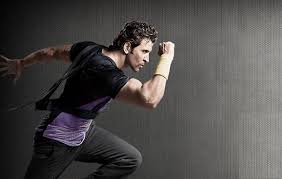
12. HRX (by Myntra), RedTape, and Power (Bata): Private-label and accessible performance
- D2C pillars: Owned portals and marketplace-led D2C hybrids; frequent micro-drops and promotions.
- What works: Competitive pricing, reliable daily-wear comfort, and easy access via mobile apps.
- Opportunity: Clearer differentiation between training, running, and lifestyle; invest in materials that handle heat and humidity.
13. Niche performance and sport-specific brands: Yonex, Li-Ning, Anta
- D2C pillars: Owned e-commerce, brand stores, and social commerce. Strong in badminton and basketball segments.
- What works: Sport-first credibility, good value-to-tech ratio, and athlete tie-ins.
- Opportunity: English/Hindi support across apps, localized sizing guidance, and city leagues to build community.
What’s driving D2C success in India
- Mobile-first shopping: Discovery happens on Instagram, YouTube, and short video platforms, then converts via brand apps/sites with UPI one-tap checkout and BNPL. COD remains important outside metros.
- Logistics and service: Same/next-day delivery is expanding; easy returns and responsive chat support build trust, especially for first-time buyers in performance categories.
- Membership and exclusivity: Early access, private drops, and points for activity (runs logged, event attendance) increase retention.
- Community: Run clubs, cricket fitness sessions, and badminton meets turn buyers into regular users. Local coaches and creator-led workshops outperform generic ads.
- Data-backed merchandising: Owned channels provide size and return data to fine-tune inventory by city, improve fit tools, and reduce friction.
What Indian consumers value now
- Comfort and fit: Wide sizes, arch support, and cushioning. Many buyers use athletic shoes for daily wear, commuting, and walking.
- Breathability and durability: Hot climates and monsoons demand airy uppers, quick-dry linings, and grippy outsoles that handle wet surfaces.
- Versatility: Shoes that cover running, gym, and casual style win weekly rotations.
- Authenticity and warranty: Counterfeits on marketplaces remain a concern; D2C ensures authenticity, better care, and size exchanges.
How brands can stand out next
- Hyperlocal storytelling: Celebrate city routes and local sports culture—Mumbai seafront runs, Bengaluru park loops, Delhi NCR cycling paths. Offer city-themed colorways and host events in Tier-2 hubs like Pune, Surat, Lucknow, Indore, and Coimbatore. Many more Designer Sneakers other than Athletic Sneakers are growing up in India.
- Payment and pricing: Keep UPI and COD front-and-center, add BNPL, and consider tiered pricing to expand reach without diluting premium lines.
- Fit tools and virtual services: Gait analysis, virtual fitting, and chat-based advice reduce returns and increase satisfaction.
- Climate-smart materials: Focus on breathable mesh, anti-odor liners, and outsole compounds that resist heat and rain.
- Sustainability with practicality: Emphasize durability, repairability, and recycling programs; teach care routines suitable for monsoons and dust.
- Bundles and starter packs: Shoes + socks + insoles + training plans for beginners; reward usage via app points and event access.
Conclusion
Athletic Sneaker In India is led by global powerhouses—Nike, adidas, Puma, ASICS, New Balance, Skechers—backed by fast-growing premium specialists like HOKA and On. Local brands such as Campus and Sparx broaden access, while niche sport players like Yonex, Li-Ning, and Anta add depth in badminton and basketball.
The winners will blend premium experiences with India-first service, making discovery-to-purchase effortless on mobile, and anchoring growth in real communities. For consumers, D2C delivers authenticity, better support, and curated drops—exactly what India’s energetic, connected sneaker culture wants.
All Tags
Loading...
Loading...