
Using Meta AI to Build Stunning Jewelry Images

Jennifer Olson
July 23, 2025In the last few years, artificial intelligence (AI) has transformed how jewelry designers, retailers, and enthusiasts create and visualize new designs. One of the standout tools in this space is Meta AI’s image generation technology.
Whether you’re a professional jeweler, an e-commerce store owner, or simply a creative hobbyist, leveraging Meta AI can give you a distinct competitive edge. In this guide, we’ll explore how Meta AI can be used to build jewelry images, discuss its benefits, practical steps to get started, and tips for maximizing results.
Why Use AI for Jewelry Image Generation?
Before diving into the technicalities, it’s important to understand why AI-generated imagery is changing the jewelry industry:
- Speed and Efficiency: Traditional jewelry design often requires hand sketches or 3D modeling. With AI, you can produce multiple high-quality concepts in minutes.
- Cost-Effective Prototyping: Instead of investing in physical samples for every idea, you can visualize them virtually before committing to production.
- Unlimited Creativity: AI tools like Meta’s can combine styles, materials, and motifs in ways that may not occur to human designers.
- Enhanced Marketing: E-commerce sites can display a broader range of products using AI-generated images, even before production.
What Is Meta AI and How Does It Work?
Meta AI refers to the suite of artificial intelligence tools developed by Meta (formerly Facebook). One of its most impressive features is advanced image generation using deep learning models. The system is trained on millions of images from various categories—including jewelry—and can produce photorealistic visuals based on simple text prompts.
For example, you could type:
“Generate a high-resolution image of a rose gold engagement ring with a pear-shaped sapphire surrounded by tiny diamonds.”
Within seconds, Meta AI can create a detailed image matching that description. The technology uses complex algorithms to understand the prompt and blend different visual elements to produce a believable result.
Practical Applications of Meta AI in Jewelry Design
1. Virtual Prototyping
Instead of relying solely on CAD (Computer-Aided Design) software or hand-drawn sketches, designers can use Meta AI to quickly visualize ideas. This can be especially useful for custom orders or when exploring new collections.
2. Marketing and E-Commerce
Jewelry businesses can use AI-generated images to fill out their online catalogs, showcase potential customizations, or even test new designs before they are physically made.
3. Social Media Content
Generate unique jewelry images for Instagram, Pinterest, or Facebook ads without the need for expensive photoshoots. This is particularly helpful for small businesses trying to stand out with eye-catching visuals.
4. Customer Engagement
Allow customers to describe their dream piece and instantly see a realistic rendering. This interactive experience can boost sales and improve satisfaction.
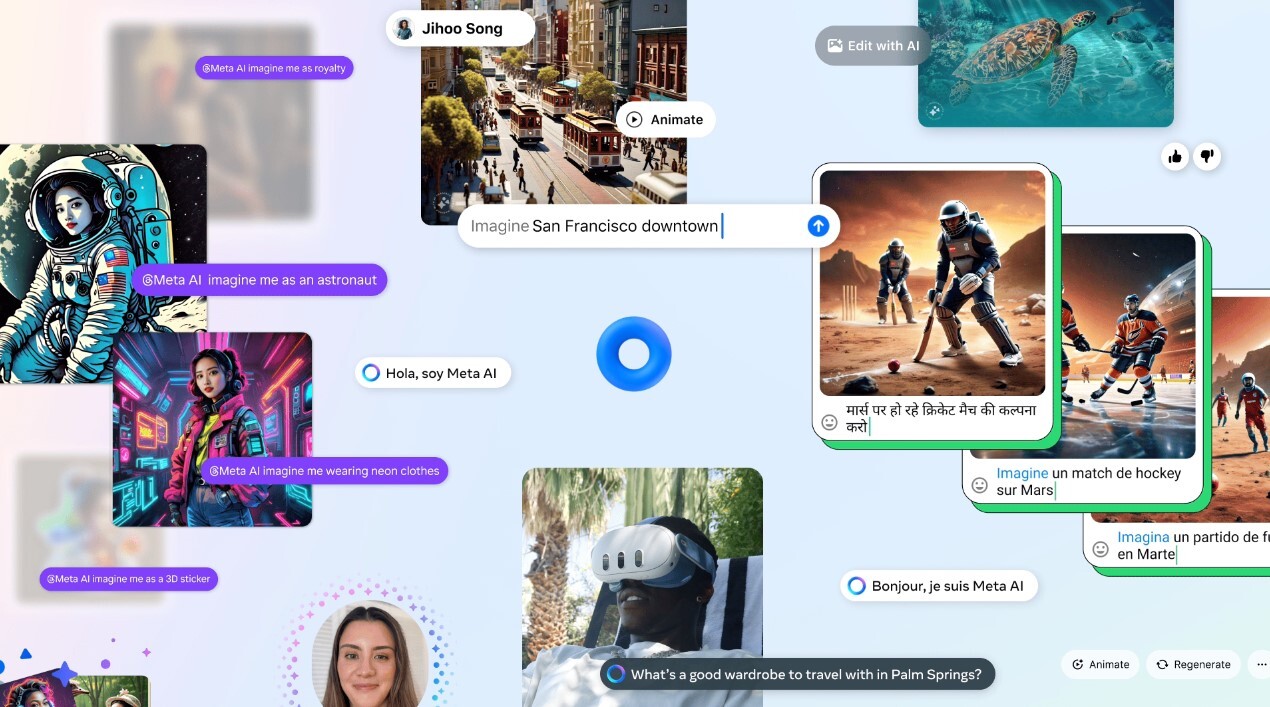
How to Use Meta AI for Jewelry Images
Step 1: Define Your Goal
Are you aiming to produce design prototypes, marketing images, or social media content? Clearly define your use case before starting.
Step 2: Craft Effective Prompts
The quality of your prompt directly affects the final image. Be specific about:
- Type of jewelry (ring, necklace, bracelet, etc.)
- Materials (gold, silver, platinum)
- Gemstones (diamonds, sapphires, emeralds)
- Style (vintage, modern, minimalist)
- Details (engraving, setting style)
Example Prompt:
“Create an elegant platinum pendant with an oval emerald center stone and delicate filigree around the edges.”
Step 3: Generate Images
Input your prompt into Meta AI’s image generator (such as Imagine with Meta AI or similar platforms). Review the output and iterate as needed by refining your prompt.
Step 4: Edit and Enhance
While Meta AI produces impressive results, minor post-processing may be needed. Use photo editing tools to adjust lighting, background, or add branding elements.
Step 5: Integrate Into Workflow
Download and incorporate these images into your website, digital catalogues, social media posts, or presentations.
Tips for Best Results
- Be Detailed but Focused: Too many instructions can confuse the AI. Stick to the most important elements.
- Use Reference Images: Some platforms allow you to upload reference images which improve accuracy.
- Iterate Frequently: Don’t settle for the first result; tweak prompts until you get what you want.
- Maintain Consistency: Use similar prompts and settings for collections so all images look cohesive.
- Check Licensing: Make sure your intended use complies with platform terms for commercial applications.
Real-World Examples
Case Study 1: Custom Bridal Boutique
A boutique specializing in bespoke engagement rings uses Meta AI to create visualizations based on client descriptions. Clients see several options instantly during consultations, streamlining decision-making and enhancing satisfaction.
Case Study 2: Online Jewelry Marketplace
A new e-commerce platform uses AI-generated images to showcase customizable options. Customers select metal type, gemstone shape, and setting style from dropdown menus; the site then generates preview images on the fly.
Case Study 3: Social Media Campaign
A jewelry brand runs weekly “Fantasy Friday” campaigns with AI-generated images of imaginative pieces—like “diamond tiaras inspired by ocean waves”—to boost engagement and attract followers.
Potential Challenges
No technology is perfect. Here are some common issues and solutions:
- Unrealistic Outputs: Sometimes the generated pieces might not be physically possible. Work with an experienced designer to vet concepts before moving forward.
- Quality Variance: Not all images will be equally polished—be prepared to try several prompts or make manual tweaks.
- Ethical Concerns: Ensure your use of AI respects copyright laws and doesn’t mislead customers about what’s actually available.
The Future of Jewelry Design with AI
As Meta AI and similar tools continue to evolve, we can expect even more accurate and customizable image generation. Eventually, these systems may tie directly into 3D CAD software or manufacturing pipelines, allowing for seamless transition from idea to finished product.
Imagine a customer describing their dream piece on your website—and within minutes receives a photorealistic rendering along with a price quote and estimated delivery time. The gap between imagination and reality continues to shrink.
Final Thoughts
Using Meta AI to build jewelry images offers unmatched speed, creativity, and efficiency for designers and businesses alike. Whether you want to prototype new ideas, enrich your marketing content, or create a more engaging customer experience, this technology is rapidly becoming an essential tool in the modern jeweler’s toolkit.
Start experimenting today—define your goals, craft thoughtful prompts, iterate frequently, and leverage this powerful new way to visualize and share your jewelry designs.
All Tags
Loading...
Loading...