

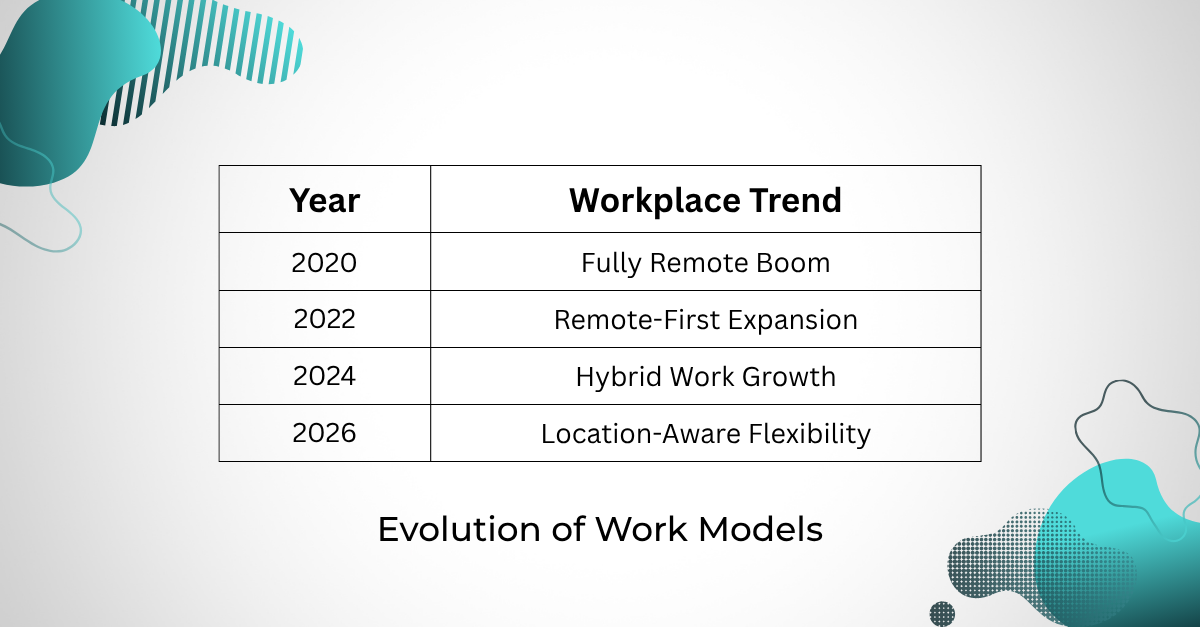
A few years ago, the future of work seemed completely clear. Companies were moving remote, employees were leaving big cities, and people believed location would slowly stop mattering. The idea sounded convincing: if meetings can happen online and work can be delivered digitally, why should geography still matter?
For a while, it looked true.
Companies hired across countries, teams worked across time zones, and “remote-first” became one of the biggest workplace trends globally. Employees gained flexibility, commuting reduced, and businesses suddenly had access to a much larger talent pool.
But in 2026, the conversation is changing again.
Not because remote work failed. It didn’t. In fact, studies still show that employees strongly prefer hybrid and remote flexibility. But companies are now realizing something important:
Work can happen remotely
But growth, collaboration, trust, and leadership still depend heavily on human connection
And human connection becomes harder when teams are completely disconnected physically.
This is exactly why many companies that once pushed fully remote work are now moving toward hybrid structures instead of permanent remote setups. Even major companies like Google have increased office expectations for certain teams and roles. The reason is not only productivity. It is culture, faster decision-making, mentorship, collaboration, and long-term business alignment.
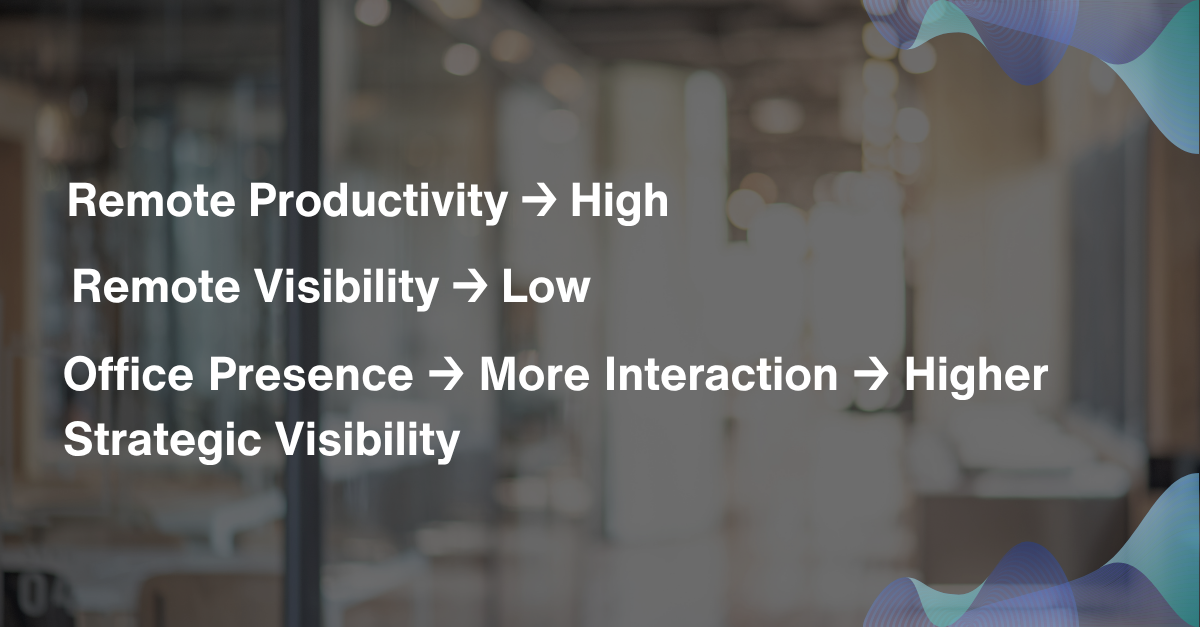
One of the biggest realities professionals are starting to notice is that remote work changes visibility.
A remote employee may be highly productive, deliver work consistently, and meet every deadline. But promotions and career growth are not driven only by productivity. They are also influenced by:
- Relationships
- Leadership exposure
- Informal collaboration
- Trust-building
- Visibility inside teams
This creates what many companies now quietly recognize as the “invisible employee” problem.
Managers naturally interact more with people they see regularly. Small discussions before meetings, spontaneous brainstorming, in-person problem solving, and casual workplace interactions all contribute to professional visibility. Remote employees often miss these moments.
Over time, they may become operationally valuable but strategically disconnected.
This becomes even more important in industries like:
- Fashion
- Beauty
- Luxury retail
- D2C brands
These industries rely heavily on:
- Visual collaboration
- Product discussions
- Campaign reviews
- Store observations
- Consumer behavior understanding
For example, a visual merchandiser working remotely may miss how customers actually interact with displays inside stores. A fashion buyer may miss market signals visible only through physical retail environments. A beauty brand team discussing packaging, textures, or in-store experience often benefits from in-person collaboration that video calls cannot fully replace.
That is why location still matters even in a digitally connected world.
Another important shift happening in 2026 is how companies define “remote.” Many organizations still advertise remote roles, but internally they prefer candidates who are:
- In similar time zones
- Near business hubs
- Able to travel occasionally
Why?
Because coordination becomes easier, team integration improves, and collaboration friction reduces significantly.
At the same time, employees are also changing how they think about remote work. Earlier, the focus was mostly on flexibility and freedom. Now professionals are increasingly thinking about long-term career growth.
The questions are changing from:
“Can I work remotely forever?”
To:
- How do I stay visible remotely?
- How do I build influence?
- How do I maintain strong relationships?
- How do I stay connected to business decisions?
This is a much more mature understanding of modern work.
The biggest misunderstanding about remote work was the assumption that technology would completely replace physical presence. In reality, technology improved communication, but it did not replace trust-building, relationship development, or leadership visibility.
Location no longer decides whether someone can work.
But it still influences:
- Collaboration
- Career growth
- Team dynamics
- Leadership opportunities
- Business alignment
And that is exactly why location continues to matter in a remote-first world.
Read Next
How Specialized Hiring Reduces Attrition by 40–50%
Jobs in Jewelry, Luxury Retail & D2C Brands in India (2026 Guide)