
Diamond Grader Salary & Career in Mumbai
Practical salary ranges from trainee to senior, the skills employers value and where to find grading roles in Mumbai and nearby jewellery centres.
- Jewellery and luxury retail employers hire on Mintly
- Reviewed by Mintly Talent Advisory
Diamond grading is a specialised career. It requires a trained eye, patience and a good understanding of how diamonds are assessed. In Mumbai, you can find grading opportunities with gemological laboratories, diamond companies, manufacturers and jewellery businesses. The salary is not the same for everyone. A fresher entering a grading role may start around ₹14,000 to ₹21,000 per month, while experienced graders with stronger technical skills can move considerably higher. Current Mumbai listings show a Diamond Grader opening at ₹14,000 to ₹21,000 per month, a Kiran Gems role looking for candidates with 1 to 3 years of experience grading stones above 30 pointers, and another Mumbai gemological role offering ₹40,000 to ₹55,000 per month for a candidate with at least two years of gemology experience. So if you're looking at Diamond Grader as a career, don't judge the profession only by the starting salary. The useful question is what skills you can build in the first few years and where those skills can take you. VIEW DIAMOND GRADER JOBS
Quick Summary
Key takeaways
- Diamond Grader salaries in Mumbai vary widely by experience, stone type and employer; freshers commonly start around ₹14,000 to ₹22,000/month while experienced roles can reach ₹40,000 to ₹70,000+.
- Practical, supervised exposure to many stones and consistent use of microscopes and loupes matter more than a short course alone.
- Related roles such as Diamond Assorter, Grading Associate or QC provide alternate entry routes and different career directions.
- Check the full job description before applying to understand whether a role offers technical grading, sorting, documentation or primarily data entry.
What Does a Diamond Grader Do?
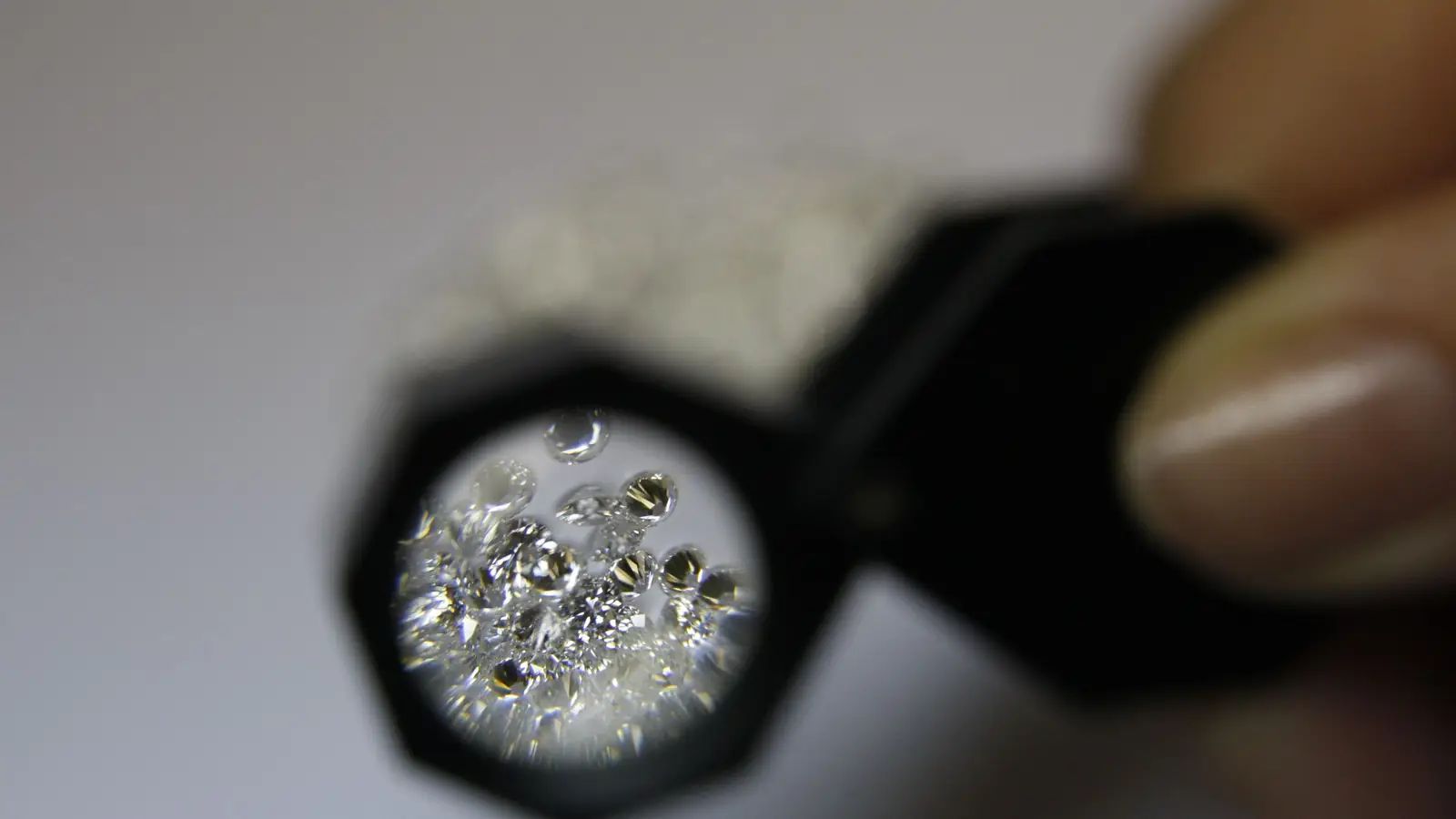
A Diamond Grader examines a diamond and records its characteristics according to established grading practices. The work involves looking closely at the stone, identifying inclusions and blemishes, checking proportions and symmetry, and assessing characteristics such as colour, clarity, cut and carat weight. The job requires more than knowing the 4Cs from a textbook. A grader needs to recognise what they are seeing under magnification and make consistent observations across different stones. Current Mumbai listings give a good idea of what employers expect. SGL Labs, for example, asks graders to use 10x magnification, identify diamond characteristics, measure angles and proportions, record grading information and maintain accurate reports. The role also asks for knowledge of diamond symmetry and clarity characteristics. A good Diamond Grader should therefore be comfortable with both the technical side and the repetitive nature of the work. If you are evaluating courses or training, consider what practical exposure and assessment a course offers and whether it includes real stone work or microscopes: a recognised grading certificate can help but practical experience remains essential.
Typical tasks
Look closely at the stone under magnification and identify inclusions and blemishes
Check proportions and symmetry and measure angles where required
Assess colour, clarity, cut and carat weight
Use 10x magnification and microscopes for detailed examination (as listed by SGL Labs)
Record grading information and maintain accurate reports
Maintain consistent observations across multiple stones
Skills Required
Core skills
Other important skills
Qualifications & Experience
General
Employers may welcome a diploma in Diamond Grading or formal training such as IGI or GIA, while strong practical experience is also valued.
Certification and practical experience are different: a course teaches systems and terminology; working with real diamonds under supervision teaches consistent grading.
Before joining a course, check whether practical diamond examination is included, whether you will work with real stones, whether microscopes and grading equipment are available, whether the course covers clarity, colour, cut and symmetry, whether there is assessment or practical grading, whether the institute has industry recognition, and whether the training can help you qualify for entry-level roles.
Tools and equipment
Inspection tools
Optical tools used daily for grading.
Loupe
Microscope (10x magnification recommended in many listings)
Proportion and angle measuring tools
Diamond Grader Salary in Mumbai
Experience Level | Monthly Salary (India) |
|---|---|
| Trainee / Fresher | ₹14,000 to ₹22,000/month |
| Junior Diamond Grader | ₹20,000 to ₹35,000/month |
| Diamond Grader | ₹30,000 to ₹50,000/month |
| Experienced Grader | ₹45,000 to ₹70,000+/month |
| Senior / Specialist Grader | ₹70,000+/month depending on role |
There is no single salary figure for Diamond Graders in Mumbai. The market changes according to experience, grading ability, type of diamonds handled, certification and the employer. These figures are a practical market guide rather than fixed salary bands. Current listings show why there is such a difference: a fresher or early-career role may offer ₹14,000 to ₹21,000 per month, while a more experienced gemology-related grading position is advertising ₹40,000 to ₹55,000 per month. Mintly's listings show fresher-friendly and mid-level opportunities across India, with Mumbai and Surat important locations for these roles.
- Trainee / Fresher₹14,000 to ₹22,000/month
- Junior Diamond Grader₹20,000 to ₹35,000/month
- Diamond Grader₹30,000 to ₹50,000/month
- Experienced Grader₹45,000 to ₹70,000+/month
- Senior / Specialist Grader₹70,000+/month depending on role
Skills table
Skill
Why it matters
4Cs
Foundation of diamond grading
Clarity identification
Helps identify inclusions and blemishes
Symmetry and proportions
Important for technical assessment
Microscope skills
Needed for detailed examination
Diamond terminology
Helps with trade communication
Computer skills
Useful for reports and records
Accuracy
Essential for consistent grading
Market knowledge
Helps understand commercial requirements
For employers
Use these benchmarks to hire competitively
Post your opening with a clear salary range and reach jewelry retail candidates who already understand the role.
How to Build a Career in Diamond Grading
- Start with fundamentals and get supervised practical exposure; practical stone-by-stone experience is essential to improve judgement.
- If already in assortment or QC, seek formal grading practice to convert trade experience into grading ability.
- For experienced graders, specialise further, take on quality-control responsibility, move into laboratory supervision or expand into gemology and technical roles.
- Keep adding skills across grading, assortment, quality, documentation and commercial knowledge to avoid being limited to one repetitive task.
Best Places to Find Candidates
Gemological laboratories
Diamond companies and exporters
Manufacturers and assorters
Jewellery companies and jewellery business clusters (SEEPZ and others)
Mintly listings and job boards
Mumbai, Surat and other jewellery centres
Hiring Checklist
0 of 23 items completed
Before applying
Before joining
Fresher checklist
Key facts
Fresher Mumbai roles: around ₹14,000 to ₹21,000 per month (examples in current listings).
Some Mumbai gemology-related roles advertise ₹40,000 to ₹55,000 per month for candidates with at least two years' experience.
Salary varies by experience, grading ability, stone size and employer; Mumbai and Surat are key centres.
Diamond Assorter vs Diamond Grader
These jobs are related, but they are not the same. A Diamond Assorter generally works with diamonds by sorting and grouping them according to characteristics and trade requirements. The work can involve size, shape, colour, clarity and other commercial categories. A Diamond Grader has a more formal evaluation role, examining the characteristics of a diamond and assigning or supporting grading according to the applicable system. Current Mumbai listings make this difference fairly clear. The Gemmological Institute of India is currently looking for a Diamond Assorter with 2 to 3 years of experience sorting diamonds according to trade practice and knowledge of diamond trade terminology. Kiran Gems is looking for Diamond Graders with 1 to 3 years of experience grading stones above 30 pointers. For someone starting out, either route can provide useful industry experience. The better fit depends on whether you are more interested in sorting and commercial diamond handling or technical grading.
Can a Fresher Become a Diamond Grader?
Yes, but you should be realistic about the first stage of the career. You may begin as a trainee, grading associate or junior employee and work under experienced graders before being given more independent responsibility. Mintly currently lists entry-level Diamond Grader opportunities, while current Mumbai listings also show roles where a professional qualification or grading certificate is welcomed. The first few months are about developing your eye. You learn how to use the equipment, identify characteristics, understand grading standards and become consistent. Don't expect to become an expert simply because you completed a short course. Grading is a practical skill. The more stones you examine under proper supervision, the better your judgement becomes.
Do You Need a Diamond Grading Certificate?
A certificate can help, particularly when you are entering the profession. Current Mumbai listings show that employers may welcome professional qualifications such as a diploma in Diamond Grading, while another current listing prefers candidates who have completed IGI or GIA training or have strong practical experience. But certification and practical experience are two different things. A course can teach you the grading system and give you structured knowledge. Working with real diamonds teaches you how to apply that knowledge consistently.
- Is practical diamond examination included?
- Will you work with real stones?
- Are microscopes and grading equipment available?
- Does the course cover clarity, colour, cut and symmetry?
- Is there assessment or practical grading?
- Does the institute have industry recognition?
- Can the training help you qualify for entry-level roles?
What Is the Career Path for a Diamond Grader?
A person does not have to remain a Diamond Grader forever. You can start as a trainee or junior grader, gain practical experience and move into independent grading. With enough experience, you may move towards senior grading, quality control or laboratory supervision. Some professionals also use grading as a foundation for wider gemology careers. The path will depend on the company and your interests. Someone who enjoys the technical side may stay within grading and laboratory work. Someone interested in the commercial side may eventually move towards diamond buying, assortment or quality control. A possible career path is: Trainee Grader → Junior Diamond Grader → Diamond Grader → Senior Grader → Grading Supervisor / QC → Gemologist or Technical Specialist. Mintly's current listings show related opportunities across grading, gemology and diamond quality roles, which reflects the different directions available within the industry.
Where Can a Diamond Grader Work in Mumbai?
Mumbai has a strong diamond and jewellery ecosystem, so grading professionals can find work in different types of businesses. Laboratories provide a more technical environment focused on grading and reporting. Diamond manufacturers and exporters may combine grading with sorting, assortment and quality control. Jewellery companies may need people who can assess diamonds used in finished jewellery. SEEPZ and other jewellery and diamond business clusters around Mumbai are worth watching when searching for jobs. Mintly's Mumbai diamond-job guidance also identifies the city as an important centre for diamond trading, manufacturing and related careers. Don't restrict your search to the exact title "Diamond Grader." Depending on your experience, also look for Diamond Grading Associate, Diamond Assorter, Diamond QC, Gemologist, Grading Executive and Diamond Quality roles. jewellery companies in Mumbai and business clusters are useful targets when searching.
What Should You Check Before Accepting a Diamond Grader Job?
A job title can sometimes tell you less than the actual job description. Before accepting an offer, find out what you will be grading, whether you will work with loose diamonds or jewellery, what equipment you will use and how much training you will receive. Also ask whether the role involves actual grading or mostly sorting, documentation and data entry. This matters for someone trying to build technical grading experience.
- Salary and take-home pay
- Working hours and shift timings
- Training provided
- Type and size of diamonds handled
- Grading equipment available
- Whether the role includes technical grading
- Certification requirements
- Overtime policy
- Growth path
- Location and travel time
Find Diamond Grader Jobs in Mumbai
Mumbai continues to have opportunities for Diamond Graders, Diamond Assorters and related quality roles. Current listings show demand for different levels of experience, from entry-level candidates with relevant training to experienced professionals who can grade specific stone sizes and handle technical responsibilities. If you're starting out, focus on training, practical exposure and accuracy. If you already have experience, make your resume specific about the type of diamonds you have graded, the sizes you handle, your certification and the grading or sorting work you have actually done. That is far more useful to a recruiter than simply writing "experienced Diamond Grader."
- VIEW DIAMOND GRADER JOBS
Frequently Asked Questions
A Diamond Grader examines diamonds to record colour, clarity, cut and carat weight and to identify inclusions and symmetry issues; the job uses magnification and microscopes, measures proportions and records grading data consistently in reports.
Yes, a fresher can start as a trainee or grading associate and learn under experienced graders; the first months focus on using equipment correctly, identifying characteristics and gaining consistent practical exposure to real stones.
A certificate such as a diploma in Diamond Grading or IGI/GIA training can help when entering the profession, but employers also value practical experience; check whether a course provides hands-on work with real stones and assessment before enrolling.
Salaries vary: current listings show freshers around ₹14,000 to ₹21,000/month, junior roles ₹20,000 to ₹35,000/month and experienced graders advertised at ₹40,000 to ₹55,000/month; senior and specialist roles can exceed ₹70,000 depending on employer and responsibilities.
Put this guide to work
Use the next step that matches what you came here to do. You can also keep exploring related roles, guides, and hiring actions on Mintly.
Print/save opens your browser print dialog
Get new guides in your inbox
Practical playbooks for jewellery careers and hiring. No spam, unsubscribe anytime.