A Career in Diamonds: Gemology, Jewelry Design, and More Exciting Opportunities

In this article
When people think about working with diamonds, jewellery sales is often the first career that comes to mind. But there is a lot more happening behind the scenes. Someone needs to understand the stones, someone needs to design the jewellery, and someone needs to make sure the finished product meets the right standards.
The growth of lab-grown diamonds has added another dimension to the industry. Along with retail, businesses need people who understand diamond grading, jewellery design, production, quality checks, merchandising and marketing.
For anyone exploring lab-grown diamond careers, this opens up several paths worth understanding. You may be interested in the technical side, prefer creative work or want to build a career in business. The first step is knowing what these roles involve and which skills they require.
What Are Lab-Grown Diamonds, and Why Do Careers Matter?
Lab-grown diamonds are created in controlled laboratory environments rather than formed naturally underground over geological periods. They have essentially the same chemical composition and crystal structure as natural diamonds, although their origin is different. Specialized testing may be needed to distinguish them.
Their presence in the jewelry market means professionals need to understand more than how a diamond looks. They must also understand its origin, characteristics, grading, production and how to communicate these details accurately to customers.
The industry conversation is not simply about lab-grown diamonds replacing natural diamonds. Both categories serve different customer preferences and business strategies. The Indian Institute of Gems and Jewellery’s perspective on lab-grown diamonds explores this relationship.
For jobseekers, the useful takeaway is that diamond knowledge can be applied across different parts of the industry. Understanding the product is a starting point, but the career you build depends on how you use that knowledge.
1. Diamond Grading and Gemology
If you enjoy examining details and understanding what makes one stone different from another, gemology and diamond grading may be worth exploring.
Gemologists study gemstones, their properties, identification and quality. Diamond graders assess characteristics such as cut, colour, clarity and carat weight, using specialised tools and established grading methods.
In the lab-grown diamond segment, professionals may also need to understand how laboratory-grown stones differ from natural diamonds and how their origin can be identified. This makes technical knowledge and practical training important.
Career opportunities may include:
- Diamond grader: Examines diamonds and evaluates their quality against recognized grading criteria.
- Gemologist: Identifies and studies gemstones and supports quality assessment.
- Diamond assortment professional: Sorts stones according to their characteristics and business requirements.
- Quality control professional: Checks products and documentation against the relevant quality standards.
These roles require accuracy, patience and a willingness to learn. Training in diamond grading or gemology can help candidates build the foundation, while hands-on practice develops confidence.
For a broader overview of diamond-related careers, read A Career in Diamonds: Gemology, Jewelry Design, and More Exciting Opportunities.
2. Jewellery Design and CAD
Not every diamond career involves examining stones under a microscope. Some professionals work on the jewellery itself.
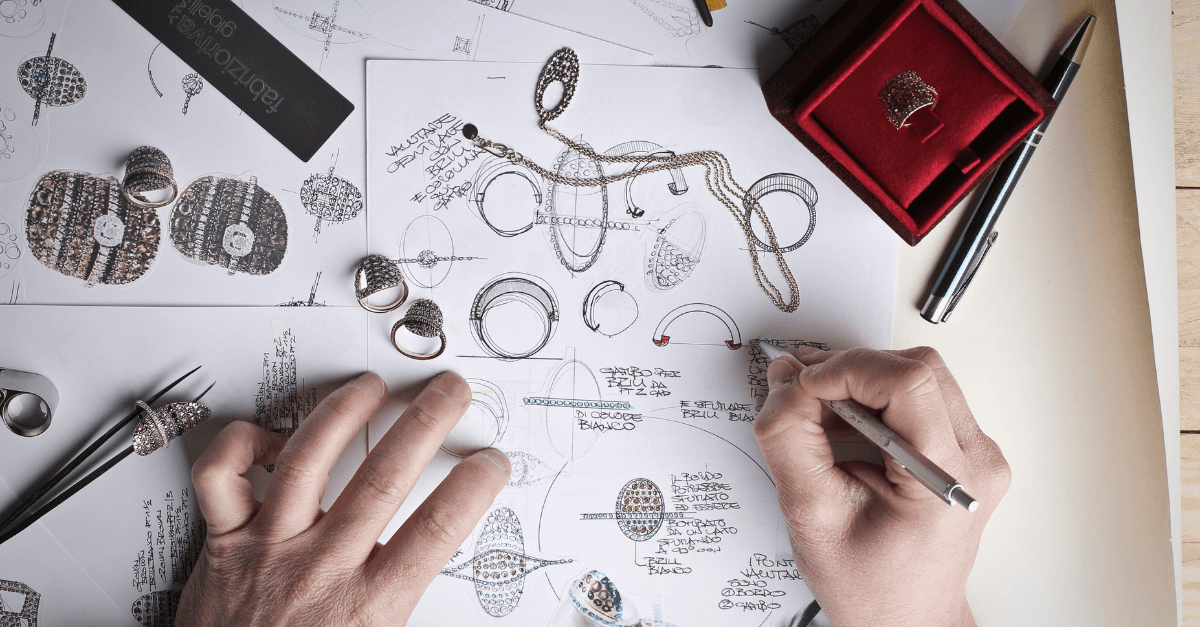
Jewellery designers turn ideas into products that people want to wear. They consider the shape of a piece, the placement of stones, the metal, proportions and the overall design. In the lab-grown diamond segment, designers may work on engagement rings, everyday jewellery, statement pieces or collections developed for specific customer groups.
Computer-aided design, or CAD, has become an important part of this process. CAD designers create digital models that help teams review a design before manufacturing begins.
Possible career paths include:
- Jewellery designer
- Jewellery CAD designer
- Design development assistant
- Jewellery product developer
- 3D rendering specialist
Creative ability helps, but technical understanding matters too. A design must look good and be practical to manufacture. Candidates who understand stone settings, metal thickness and production requirements can bring useful skills to a design team.
If you enjoy both creativity and problem-solving, this path may offer a good balance between the two.
3. Production and Manufacturing
A diamond becomes part of a finished jewellery piece through several stages of work. Designs need to be interpreted, materials prepared, stones set and products checked before they are ready for sale.
Lab-grown diamond jewellery businesses may employ professionals across production planning, manufacturing coordination, stone setting, finishing and quality checks. The exact roles depend on how the business operates and which activities it handles in-house.
People interested in this area should pay attention to detail, follow processes carefully and understand how different stages of production fit together.
Relevant roles may include:
- Production coordinator
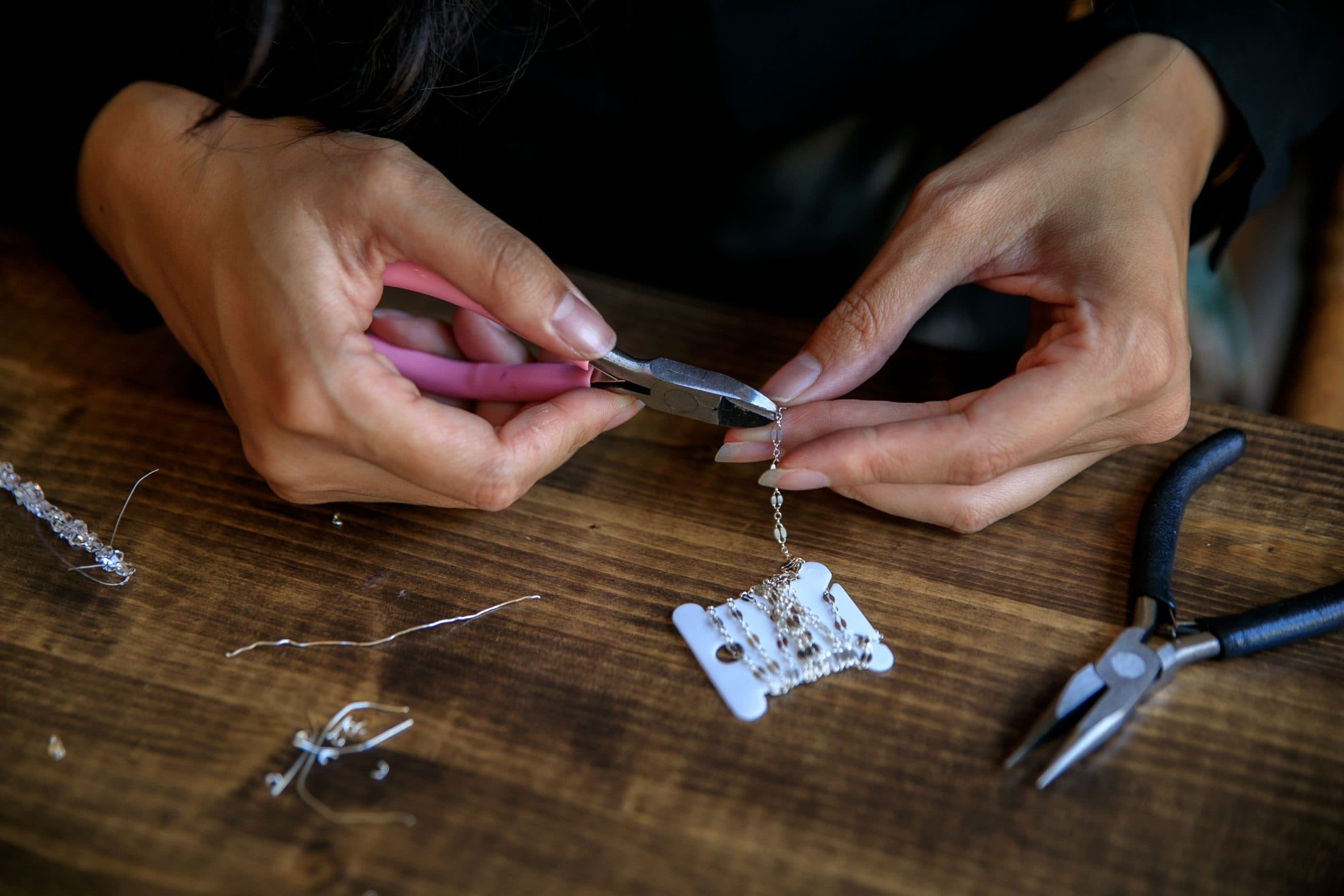
- Jewellery manufacturing professional
- Stone-setting specialist
- Quality assurance executive
- Production planning or inventory executive
Some positions require specialist hands-on training, while others focus more on coordination, documentation and operations. Reading job descriptions can help you identify the right entry point for your experience.
4. Sourcing, Merchandising and Buying
A jewellery business must choose the right products for its customers. That means someone needs to understand what is available, assess suppliers, coordinate purchases and help decide which pieces should be part of a collection.
In lab-grown diamond jewellery, sourcing and buying professionals may work with diamond suppliers, jewellery manufacturers and product teams. Their work can involve comparing product specifications, coordinating orders, reviewing costs and ensuring that the merchandise meets business requirements.
Merchandising roles connect product selection with customer demand. A merchandiser may help manage collections, monitor stock, coordinate with suppliers and work with sales teams to understand which products perform well.
These careers can suit people who enjoy organisation, commercial decision-making and working across teams. Product knowledge is valuable, but so are communication, analytical thinking and attention to detail.
5. Marketing, E-Commerce and Brand Building
The way people discover and buy jewelry has changed. Customers may first see a piece through social media, browse a website, compare designs online and only then visit a store.
That creates opportunities for professionals who understand digital platforms and customer behavior.
Lab-grown diamond brands may need people in roles such as:
- E-commerce executive
- Digital marketing specialist
- Jewellery content writer
- Social media manager
- Product photography and content coordinator
- Customer relationship management executive
The work varies. An e-commerce professional may manage product listings and online store information. A content specialist may explain diamond characteristics in language customers can understand. A marketing professional may plan campaigns and study how customers respond.
Jewellery knowledge makes these roles more relevant, especially when customers have questions about diamond origin, product specifications and the differences between available options.
People with experience in digital marketing, retail, design or content creation may be able to transfer their existing skills into the jewellery industry while building specialist product knowledge.
6. Sales and Customer Education Still Matter
Although this guide looks beyond jewellery sales, customer-facing careers remain an important part of the industry.
Lab-grown diamonds can prompt questions about origin, grading, price and how they compare with natural diamonds. Retail professionals need to explain these differences clearly and avoid misleading claims.
A good sales professional does more than present a product. They listen to the customer, understand their priorities and provide accurate information so the customer can make an informed decision.
With experience, retail roles may lead to opportunities in store management, training, customer experience or regional sales operations.
The article on empowering women through lab-grown diamonds also discusses employment, entrepreneurship and leadership opportunities associated with the segment. As with any growing industry, the availability of specific opportunities will depend on the business and the skills required.
7. Which Lab-Grown Diamond Career Is Right for You?
There is no single qualification or career route that suits everyone. Start by thinking about the kind of work you enjoy.
| If you enjoy… | Career paths to explore |
|---|---|
| Examining stones and working with details | Diamond grading, gemology, quality control |
| Drawing and developing new products | Jewellery design, CAD, product development |
| Practical work and manufacturing | Stone setting, production, finishing |
| Planning, organising and analysing | Merchandising, sourcing, inventory |
| Digital platforms and communication | E-commerce, marketing, content |
| Helping customers and building relationships | Jewellery sales, customer experience, retail management |
Use this table as a starting point rather than a fixed rule. Some roles overlap, and many careers develop as you gain experience.
Once you have shortlisted a path, check current job descriptions to see whether employers expect a qualification, practical training, software knowledge or previous industry experience.
8. How to Prepare for a Career in the Diamond Industry
You do not need to master every part of the diamond business before applying for your first role. You do need to understand what your chosen role requires.
Build relevant knowledge. If you want to work in grading, learn about diamond characteristics and identification. If you prefer design, develop your drawing or CAD skills. For marketing and e-commerce, learn how jewelry products are presented and sold online.
Get practical experience. Training, projects, internships and entry-level roles can help you apply what you have learned. For design positions, a portfolio can show your approach and technical ability.
Understand the product. Learn how lab-grown diamonds are produced, how they are assessed and how their origin differs from that of natural diamonds. Clear product knowledge is useful in technical, commercial and customer-facing roles.
Search beyond one job title. Similar skills can appear in different roles. Explore related positions and read the responsibilities rather than relying only on the title.
Keep your profile specific. Highlight the skills that match the role. A CAD candidate should show relevant software and design work, while a merchandising candidate should emphasise coordination, inventory and analytical skills.
You can explore jewellery and diamond-related job opportunities on Mintly to see the types of roles available and identify the skills employers are looking for.
A Career in Diamonds Can Take More Than One Direction
The lab-grown diamond segment is part of a wider jewellery industry that needs creative, technical, operational and commercial skills. For jobseekers, the opportunity is not limited to selling jewellery. It can also mean designing a collection, assessing stones, supporting production, managing products online or helping customers understand what they are buying.
The important thing is to choose a direction that matches your strengths, understand the skills needed and take practical steps towards that role.
At Mintly, we believe finding a job is only the beginning. Knowing which opportunities fit your skills and how to prepare for them can make the next step clearer.
Ready to explore your options? Browse jewellery and diamond-related jobs on Mintly and start identifying roles that match your interests.
Join Our WhatsApp Community
Want to stay connected with jewellery job updates, career guides and opportunities across the industry?
Join our WhatsApp community and keep exploring where your career in diamonds could take you.
Read More
Heritage Meets Growth: How Jewellery Hiring Is Changing Across India