Why Are More Customers Asking About Lab-Grown Diamonds?

In this article
Lab-grown diamonds are coming up more often in conversations about jewellery. Customers are seeing them on brand websites, social media and in showroom collections, and naturally, they want to know more. One question that comes up quite often is why lab-grown diamonds cost less than natural diamonds when both look so similar.
Lab-grown diamonds are not a new concept, but customer interest in them is growing. More buyers are comparing the two options, checking different price points and trying to understand which one suits their preferences and budget. For jewellery brands and retail teams, this means customers are arriving with more questions and expecting clearer answers.
The conversation is no longer limited to diamond size, design or price. Customers also want to understand where their diamond comes from, how it is made and what makes it different from another option.
So, why are customers interested?
One of the biggest reasons is price.
Lab-grown diamonds generally cost less than natural diamonds of comparable characteristics. This gives customers another option when they are shopping within a fixed budget.
Think about someone planning to buy an engagement ring. They may have a particular design and diamond size in mind, but the price of a natural diamond might be higher than expected. When they discover lab-grown diamonds, they start comparing both options.
Some may choose a lab-grown diamond to get a larger stone within their budget. Others may still prefer a natural diamond because of its origin, rarity or personal preference.
The point is that customers now have another choice, and they want to understand it before making a purchase.
But are lab-grown diamonds real diamonds?
This is one of the most common things customers want to know.
Yes, lab-grown diamonds are real diamonds. They have essentially the same chemical composition, crystal structure and physical properties as natural diamonds.
The main difference is their origin.
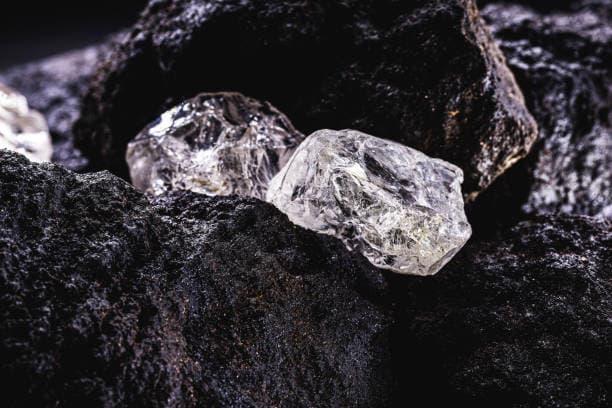
Natural diamonds form beneath the Earth’s surface over geological time. Lab-grown diamonds are created in controlled laboratory environments using specialized technology.
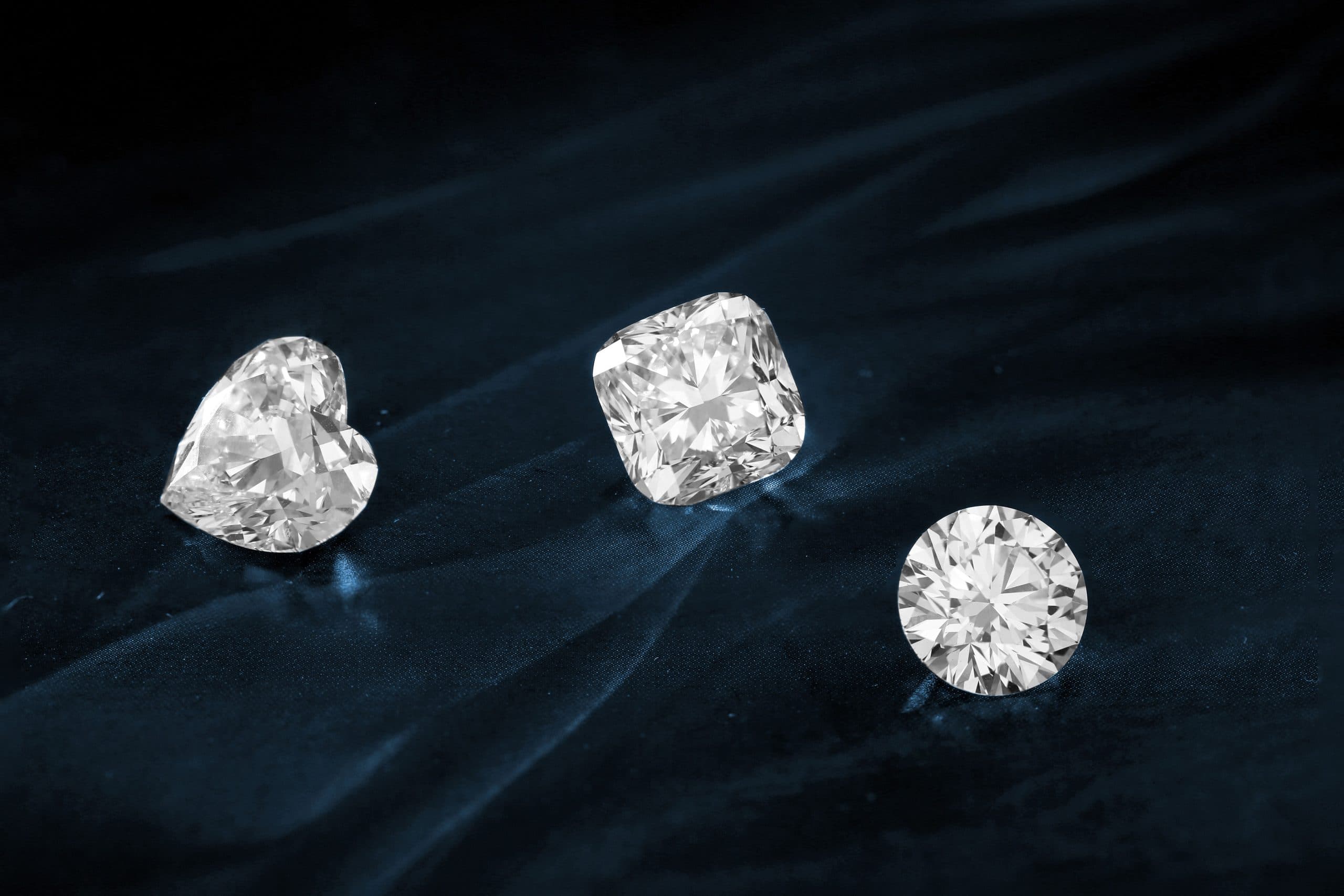
They can look very similar, and even trained professionals generally need specialized equipment to distinguish them. This is why clear product information and proper certification matter. Customers should know exactly what they are purchasing.
The jewellery store conversation is changing
Imagine a salesperson explaining a diamond ring to a customer. Earlier, the discussion might have focused mainly on the 4Cs: cut, colour, clarity and carat.
Now, the customer may also ask:
-
Is this a natural or lab-grown diamond?
-
Why is there such a difference in price?
-
Do both have the same appearance?
-
Will I receive a certificate?
-
Which one should I choose for an engagement ring?
These are reasonable questions. Customers are spending time researching products before visiting stores, and they expect sales teams to understand both categories.
A salesperson who can explain the differences in simple language can make the buying experience much easier. There is no need to push one option over the other. Understanding what matters to the customer is more important.
What should jewellery retailers do differently?
Jewelry brands don’t necessarily need to change everything about their sales approach. But they do need to make sure their teams are prepared for these conversations.
Train sales teams on both categories. Employees should understand how natural and lab-grown diamonds differ, how they are priced and what customers should know about certification.
Keep product information clear. Customers should never have to guess whether a diamond is natural or lab-grown. Labels, product descriptions and sales conversations should make this clear.
Understand what the customer wants. Some customers care more about the origin of the diamond, while others are focused on size, design or budget. Sales teams should listen before recommending a product.
Don’t make promises that cannot be supported. Questions about resale value, long-term value and investment potential should be answered carefully and honestly.
What does this mean for people working in jewellery retail?
This change also creates a learning opportunity for people building careers in the jewellery industry.
A Sales Associate who understands both natural and lab-grown diamonds can handle more customer questions with confidence. Store Managers need to ensure their teams are properly trained. Diamond Consultants and product specialists need to stay familiar with changing customer preferences and product information.
Product knowledge is becoming an important part of the customer experience.
Someone entering jewelry retail today can benefit from learning about both categories rather than limiting their knowledge to traditional diamond jewelry.
A few years ago, customers might have asked about the diamond’s size, cut or price. Now, its origin is becoming part of the conversation too. It will be interesting to see how jewellery brands adapt their collections, train their sales teams and respond to customers who are still figuring out which option they prefer.
Read Next
A Career in Diamonds: Gemology, Jewelry Design, and More Exciting Opportunities