
Why We Buy Things at Night

In this article
Late-night shopping is not always about wanting more things. Sometimes, it is simply the first time all day that we have enough quiet to shop.
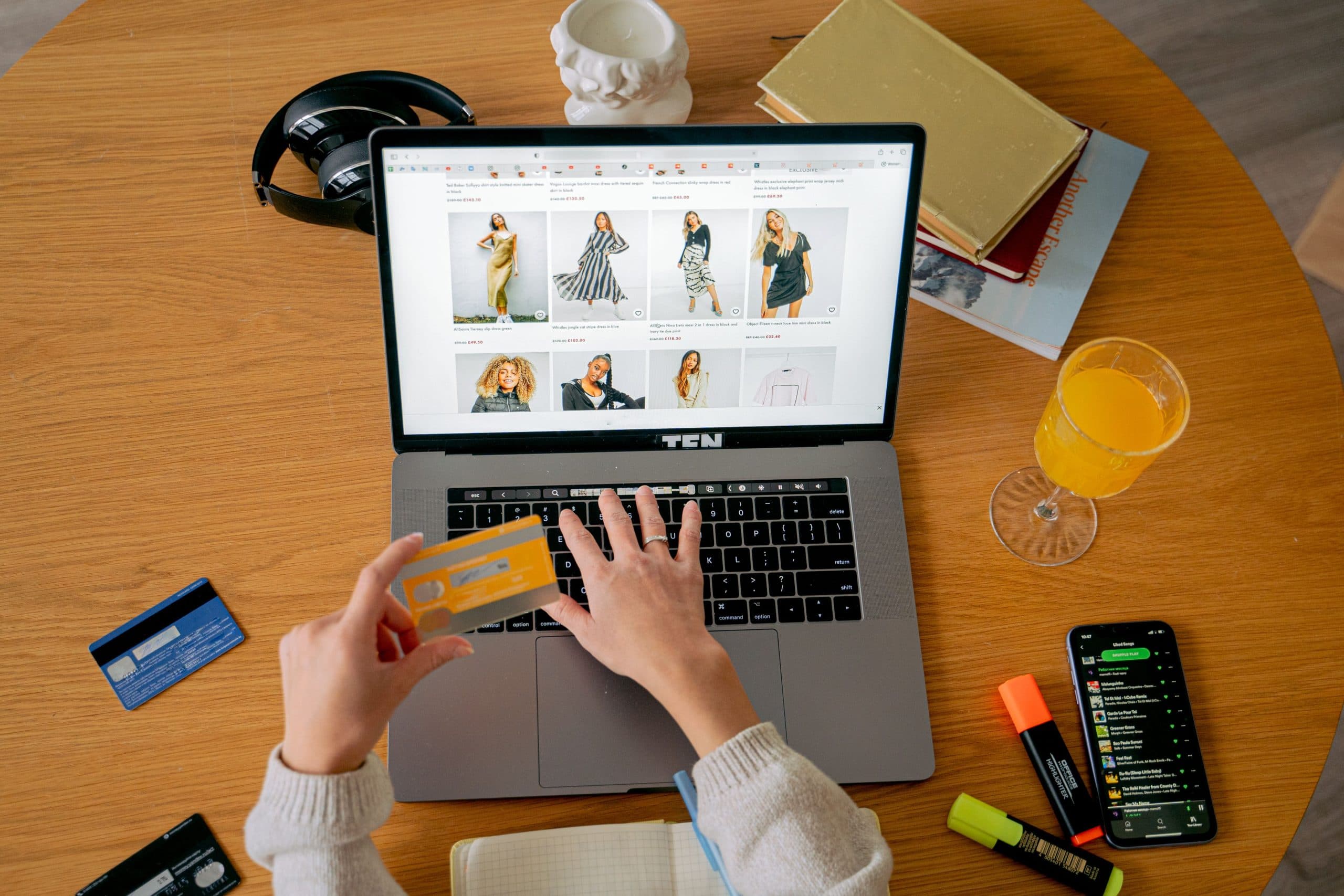
After work, commuting, family responsibilities and a full day of notifications, the evening can be the only time people have to browse without rushing. The shop may be closed, but online stores are still open. For many shoppers, the phone becomes the window to the store.
The day is busy. The evening is yours.
A person may see a pair of shoes during lunch, save the product and forget about it for several hours. Later that night, while sitting on the sofa, they open the same product again and place the order. The purchase happens at night, but the decision may have started much earlier.
The BBC reported that fashion website traffic for some retailers peaked late in the evening. One retailer saw its website traffic peak between 9 p.m. and 1 a.m. The report also found that some shoppers used the quiet hours of the night to finish purchases they had been thinking about during the day.
That is an important distinction for retailers. A late-night order does not always mean an impulse purchase. Sometimes, it is simply the final step in a decision that took several hours.
The checkout time is not always the decision time.
But tiredness can change how we shop
There is another factor at play.
By the end of the day, we have already made hundreds of decisions. Work, food, travel, messages, bills and family plans all take some mental energy. By night, we may have less patience for comparing ten similar products or questioning whether we really need one more thing. This is where impulse buying can creep in.
Research on online shopping has linked decision fatigue and cognitive overload with unintended consumption. When people are mentally tired, making another decision can feel like work. A simple “Buy Now” button removes some of that effort. Retailers understand this very well.
A product recommendation appears. The size is already selected. The card details are saved. The discount is visible. The checkout takes less than a minute.
Then comes the urgency
Late-night shopping becomes more interesting when discounts and limited-time offers enter the picture.
“Sale ends tonight.”
“Only two left.”
“Extra 20% off for the next hour.”
These messages create a small fear of missing out. Waiting until morning suddenly feels like losing money.
Research into online impulse buying has found that time pressure can increase impulsive purchases, with emotions playing a role in the process. The product itself may not have changed. The price may not have changed much either. But the feeling around the purchase has changed.
At 11 p.m., the customer is not only deciding whether they want the product. They are also deciding whether they are willing to miss the offer. That is a very different decision.

Social media makes the process even easier
There used to be a clear difference between entertainment and shopping.
You went to a store to shop. You went to a newspaper or television for entertainment.
That line has almost disappeared.
A person can open Instagram to watch a few videos, see a creator wearing a jacket, click the product tag, read a few reviews and check out without ever feeling like they went shopping.
The Museum of Saving describes this kind of unplanned buying as “ghost shopping” and points to social media, personalized advertising and easy digital checkout as factors that can encourage spending.
Shopping can simply appear in the middle of whatever they were already doing.
That is especially powerful at night when people are relaxing and scrolling.
Why this matters to retailers
For retailers, the lesson is bigger than “people shop at night.” The real opportunity is understanding what happens before the purchase. A customer might discover a product at 4 p.m., visit the website at 8 p.m., read reviews at 10 p.m. and buy it at 11:45 p.m.
If a brand only looks at the final transaction, it misses most of the journey.
This is why online retailers spend so much time improving product recommendations, mobile websites, saved carts, payment options and personalized messages. The easier it is for a customer to return to a product and complete the purchase, the less chance there is of losing them along the way.
The same thinking applies to jewelry, fashion, beauty and D2C brands.
A customer may not buy when they first see your product. They may need time to compare, ask a friend, check the price or simply wait until they have the money.
The morning-after test
There is a simple way to spot the difference between a real purchase and a late-night impulse.
Wait.
If you see something at midnight, leave it in the cart and look at it again the next morning. If you still want it, there is a good chance it was a considered purchase. If it suddenly looks unnecessary, you probably saved yourself some money.
Some financial advisers recommend a 24-hour pause before making non-essential purchases, especially when the purchase is driven by emotion or urgency.
It sounds almost too simple.
But that extra night can create enough distance between “I want this” and “I need this.”
A small behavior with a big lesson
Late-night shopping tells us something useful about modern retail.
Customers do not always shop when brands expect them to. They shop when they have time, when they are relaxed, when a product catches their attention or when an offer creates enough urgency to make them act.
The interesting part is that the final click may take only a few seconds. The thinking behind it can take much longer. For brands, understanding that gap is valuable. For shoppers, recognizing it can be even more valuable.
So the next time an order confirmation arrives at 12:17 a.m., it may be worth asking one simple question:
Did I actually want this, or did I just have time to want it?
Read More:
Want to know – How Music Changes Customer Buying Behaviour
How to Start a Career in Jewelry: A Practical Guide